
OUR LONGSWORD CLASSES
Fridays - Beginners Class at 7:30PM-8:30PM
Sundays - Mixed Class at 2PM-3:30PM
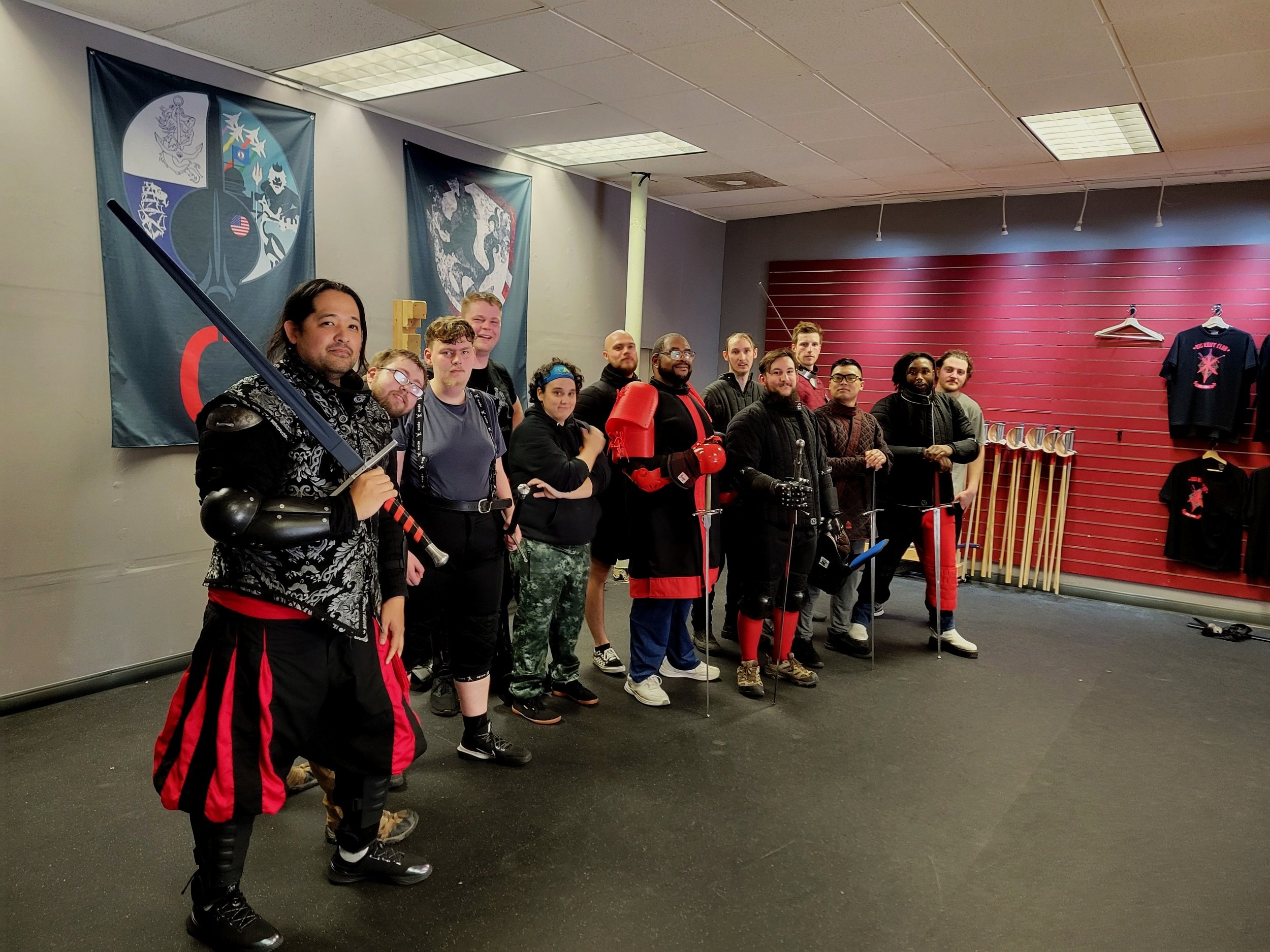
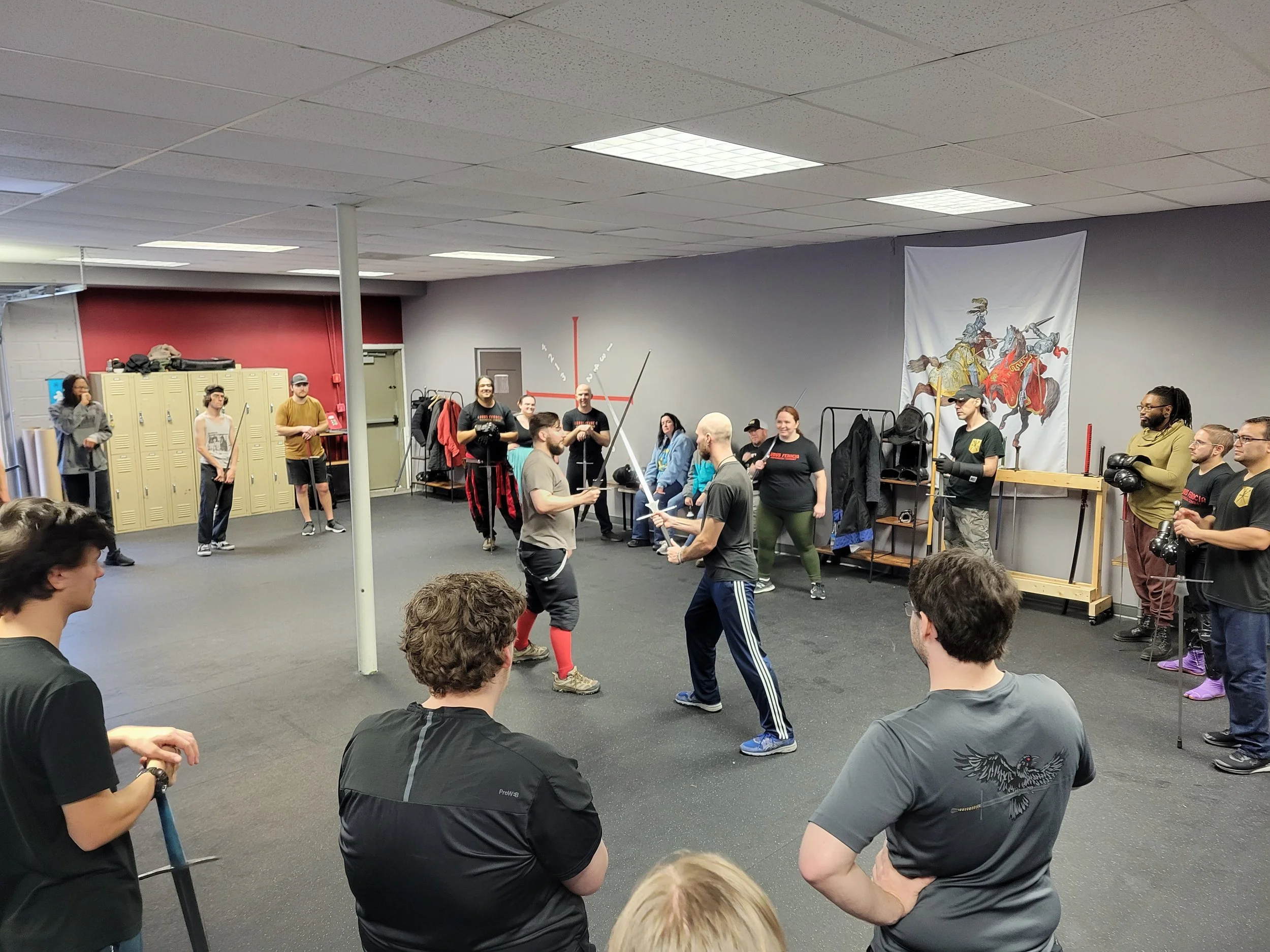
Our longsword classes are a great way to get into the HEMA world. As one of the most popular sports within HEMA, there is a wealth of information, communities, and competitions that you can enjoy as a longsword practitioner. We teach our longsword classes from primarily the German Liechtenauer sources but are not opposed to pull from other systems as well. Like all of our classes, you can be an experienced fencer or brand new to the sport and feel like you belong. There is a wide range of topics we cover from the basics (footwork, stances, movement) to the advanced (timing, programming).
Feel free to reach out about our classes at any time if you have questions! Visit our GEAR GUIDE page to see what equipment you need to get started!
BEGINNER LONGSWORD SCHEDULE


Techniques, sparring, Fiore, and equipment
Longsword

Fiore Favorites: Longsword Techniques Swap
Fiore Longsword

Longsword Sparring at the Beach in the Rain
HEMA Sparring

HEMA Longsword Sparring in the Traditional Way
Federschwert Sparring

Four Matches, Three Weapons
Longsword, Messer, and Saber

We Designed Our Own Longsword Feder
Reinfeder Development

New Realistic Longsword: Better Than a Feder?
Training Longsword Review

Krieger Armory Sentinel HEMA Longsword Review
Longsword Gear

Krieger Armory Club Series R2 Longsword
Longsword Review

Purpleheart Armory Pentti Longsword: One-Year Review
Synthetic Longsword

Swordier Type XVIa Longsword Review
Sharp Longsword
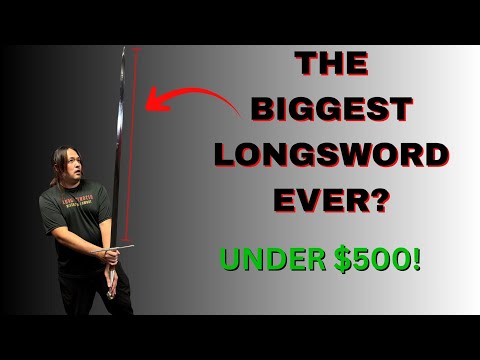
The Biggest Longsword We've Ever Tested
Swordier 1010 Review
Scroll sideways with a mouse, trackpad, or touchscreen to browse the Longsword content.
THE STORY OF THE LONGSWORD
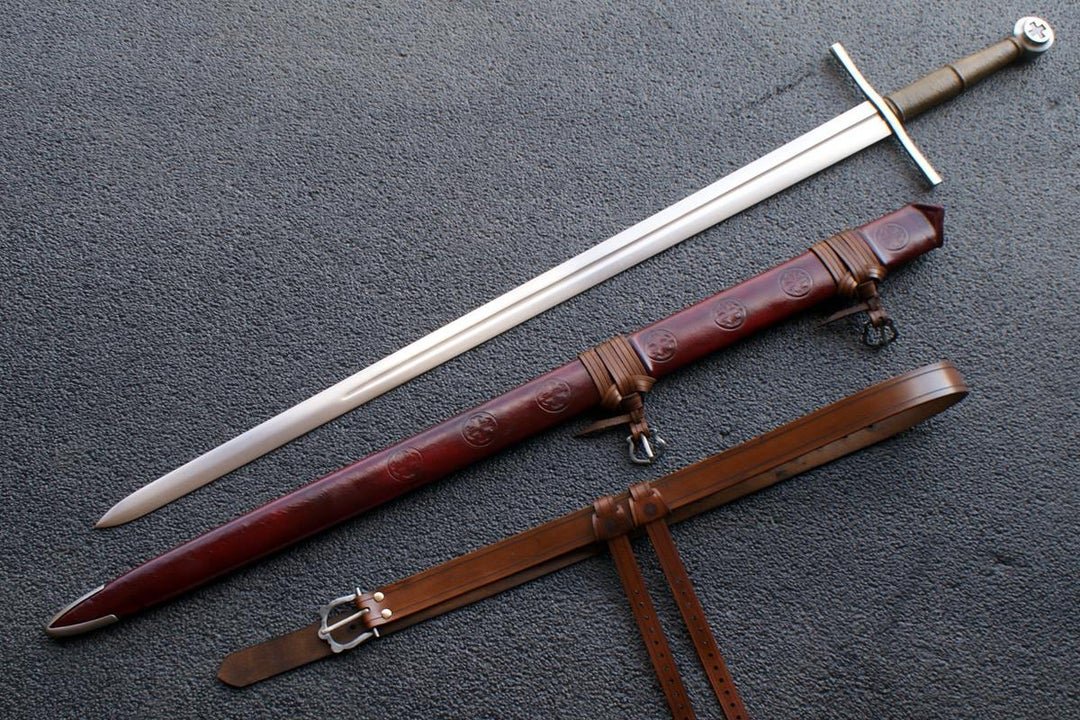
Possibly the most noticeable icon of the Medieval European Knight is the longsword. The term “Longsword” is used to describe a wide variety of swords that existed throughout Europe from roughly 1100-1700 AD. It is typically a hand-and-a-half to two-handed, double edged sword that could range in length from 35-43 inches on average (blade). Most had an elongated cross guard to protect the user’s body and hands. Many countries produced and used longswords for their professional soldiers/knights and as such, techniques and standardized fighting techniques were developed over the years.
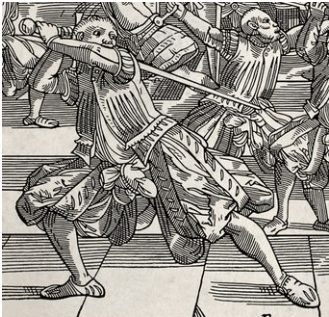
LONGSWORD MYTHS
Contrary to what some believe, longswords are typically very nimble, dexterous weapons. The old myth that they were “metal clubs” that knights used to bash each other to death is only upheld by those who have not held a true longsword. Typically weighing in anywhere from 2.4-4.0 lbs, they handle like any other well-made two handed sword. Fighters who wielded longswords well tended to be swift, graceful, and trained to attack vulnerable openings in clothing and armor rather than bludgeoning their opponents to death.
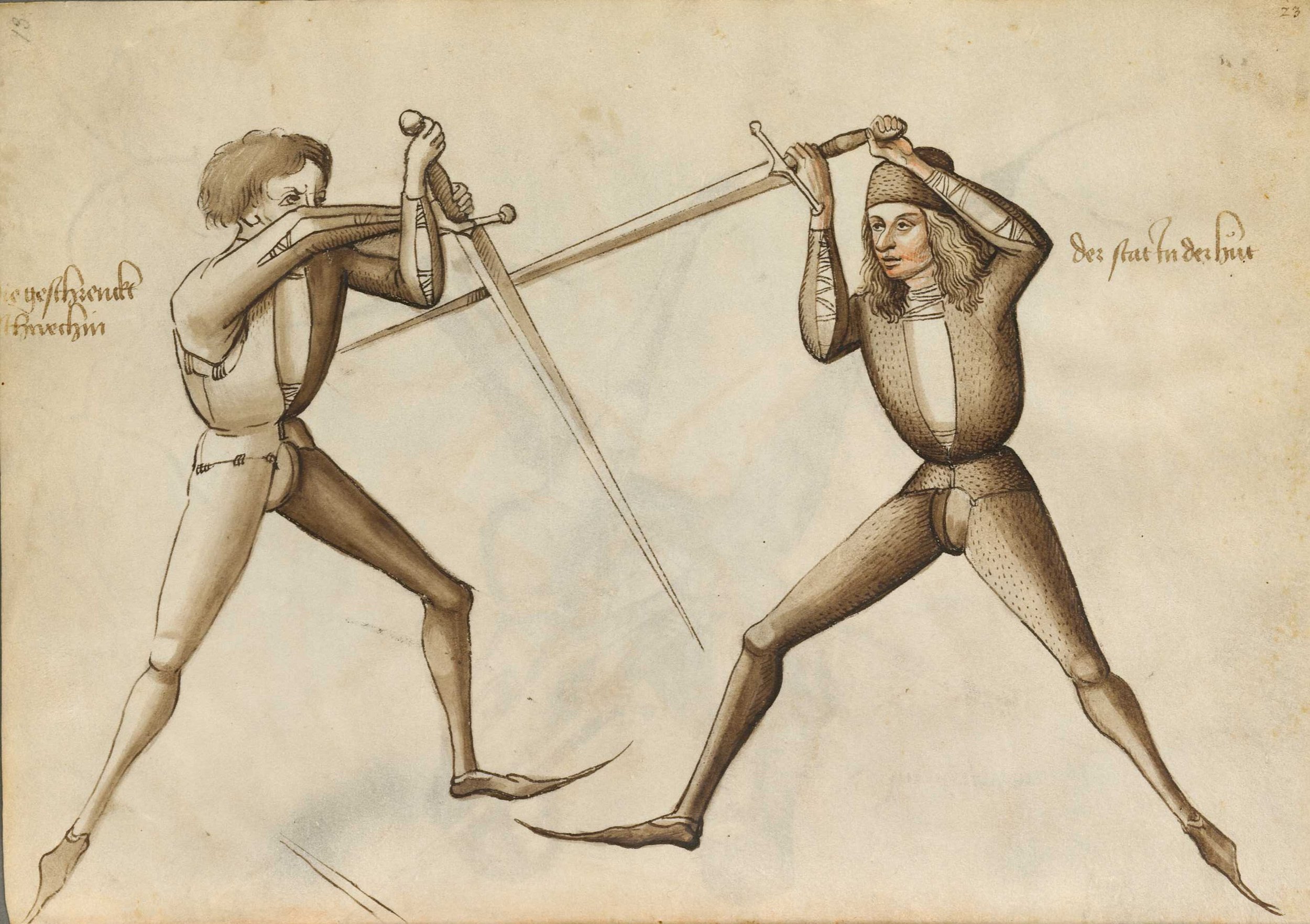
Unlike many Eastern martial arts styles (such as the Japanese Koryu systems), much of the documented training manuals for longsword have been lost to history. Parts of fencing manuals have been found over the years and practitioners of HEMA (Historical European Martial Arts) are constantly trying to interpret their teachings. One of the oldest manuals we are aware of is from the teachings of German fencing master, Johannes Liechtenauer (1300-1389). Later on, we find other manuals by Italian fencing master Fiore dei Liberi (1350-1409) which both elaborated on and outright contradicted what was taught by Liechtenauer. Like any weapon-based fighting system, longsword is a tactical discipline that requires athleticism, programming of the enemy, and forethought. Many of the techniques taught in these manuals are still practiced today and are put to the test through sparring matches. Longsword is celebrated as one of the most popular HEMA disciplines and usually has the most contestants.