
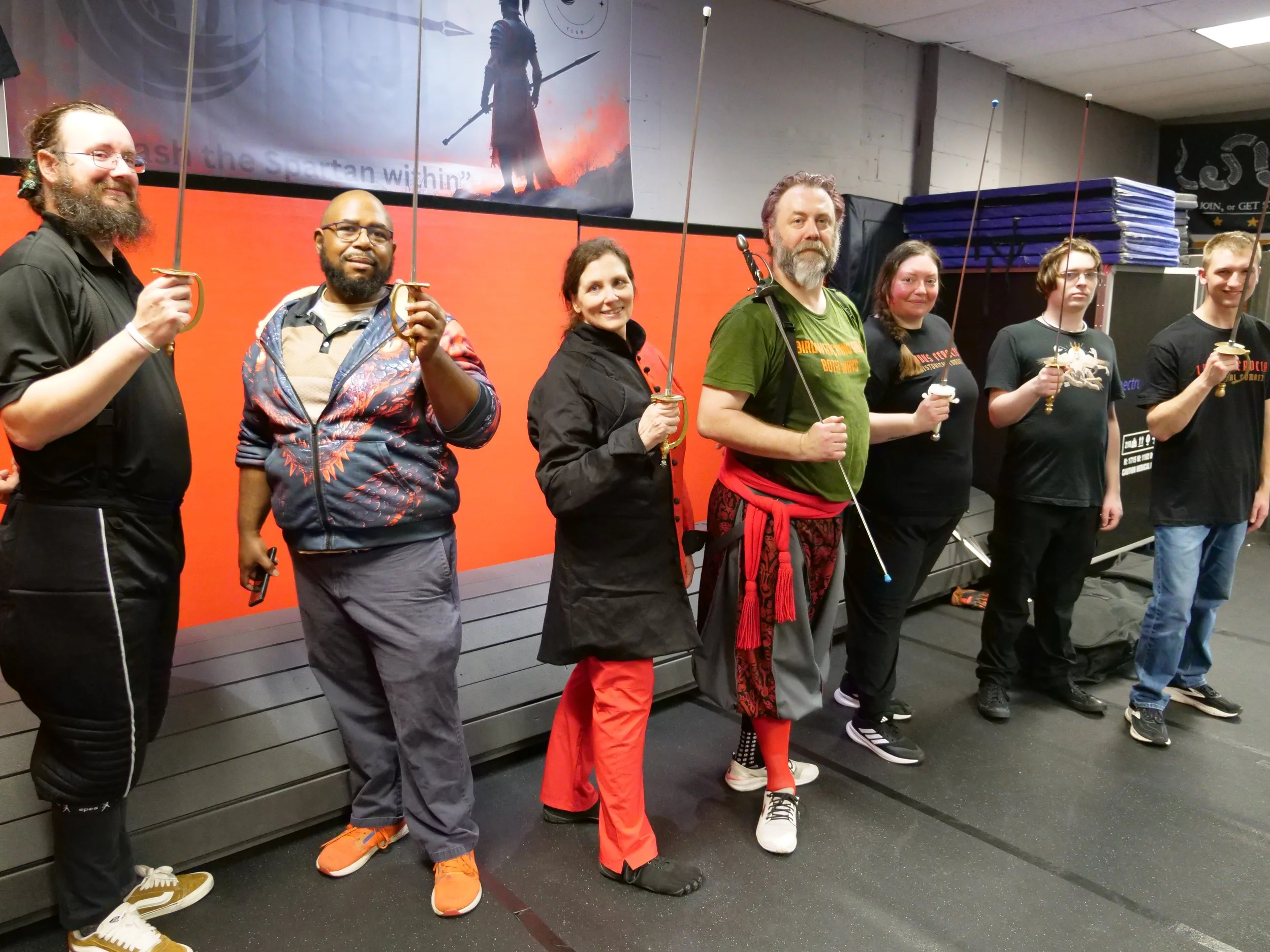
OUR SMALLSWORD CLASSES
Fridays at 5:30PM-6:30PM
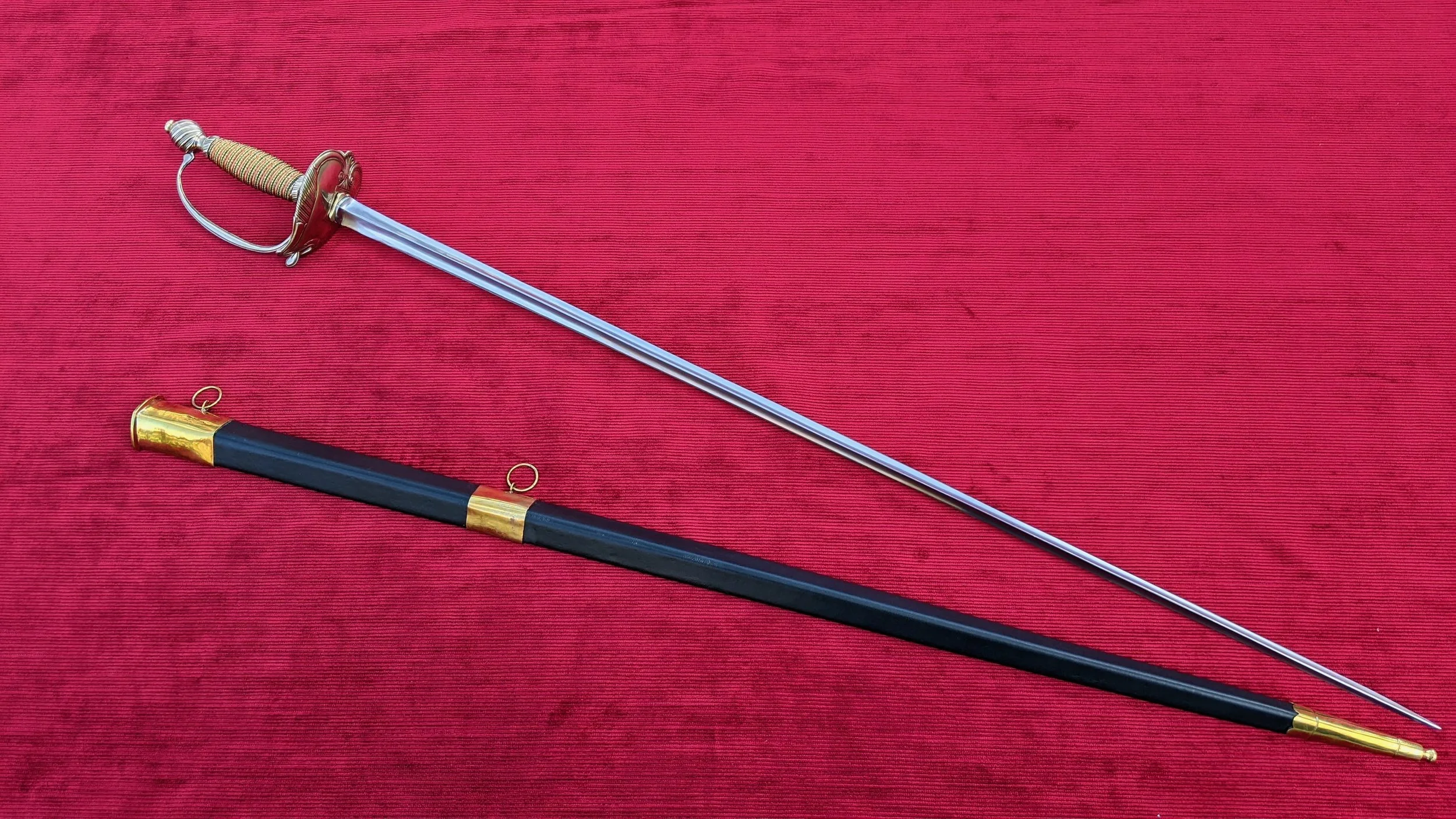
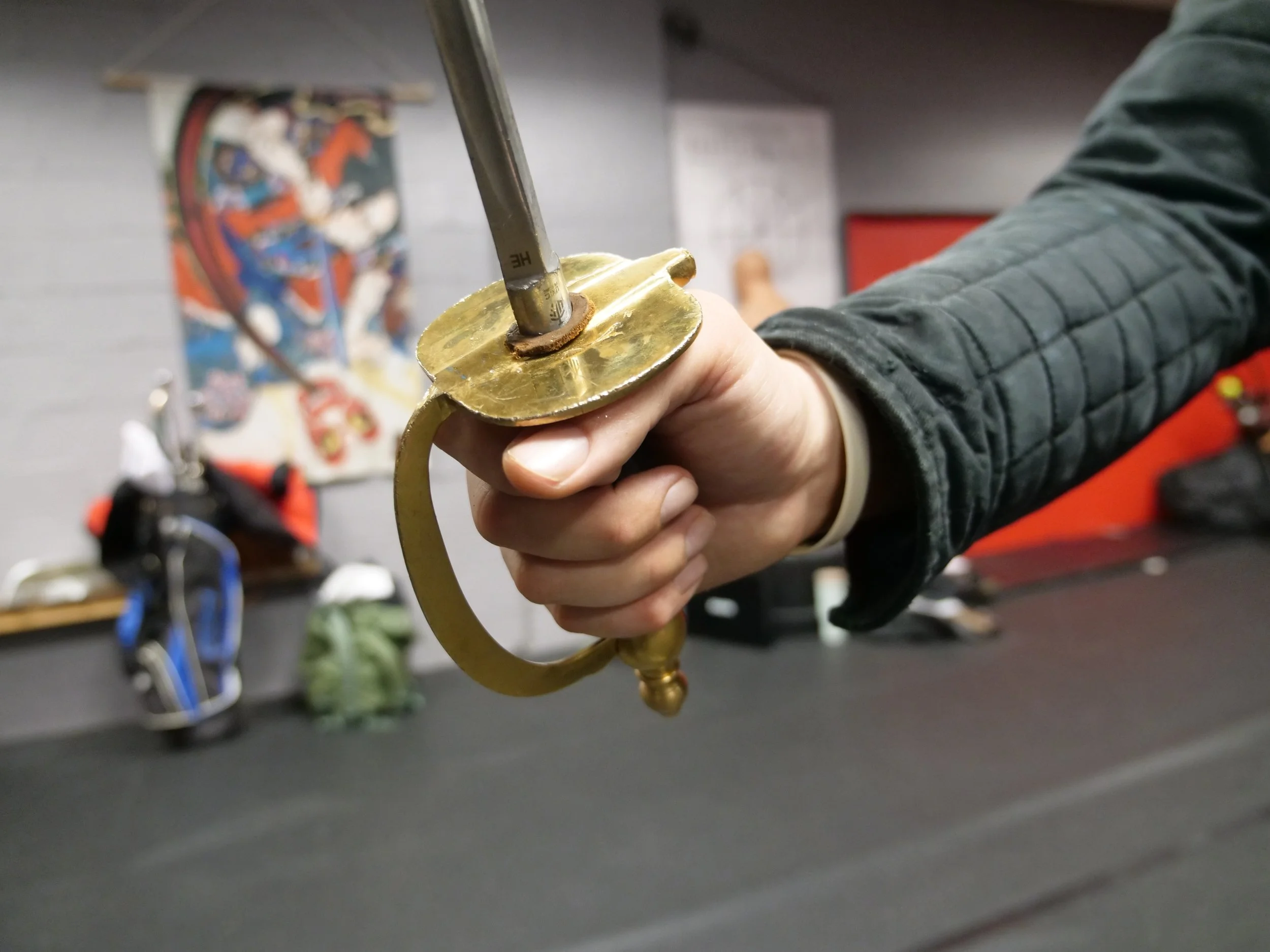
Often known as a “court sword”, the small sword is a light, one-handed dueling sword that evolved out of the heavier and longer Rapier. The small sword reached the apex of its popularity during the 18th century to where it was worn by gentlemen as a status symbol and sometimes used to handle matters of honor.
Many had unsharpened edges but very acute points, lending to them being more point-driven swords. The blades were often very stuff to aid in parrying but with a point of balance back towards the guard, small swords were renown for being nimble and quick. Made famous in France as it the predecessor to the Epee De Combat (dueling sword), many manuals for small sword were written in French due to their prevalent dueling culture that persisted throughout the 18th century.
SIGN UP FOR A SMALLSWORD CLASS
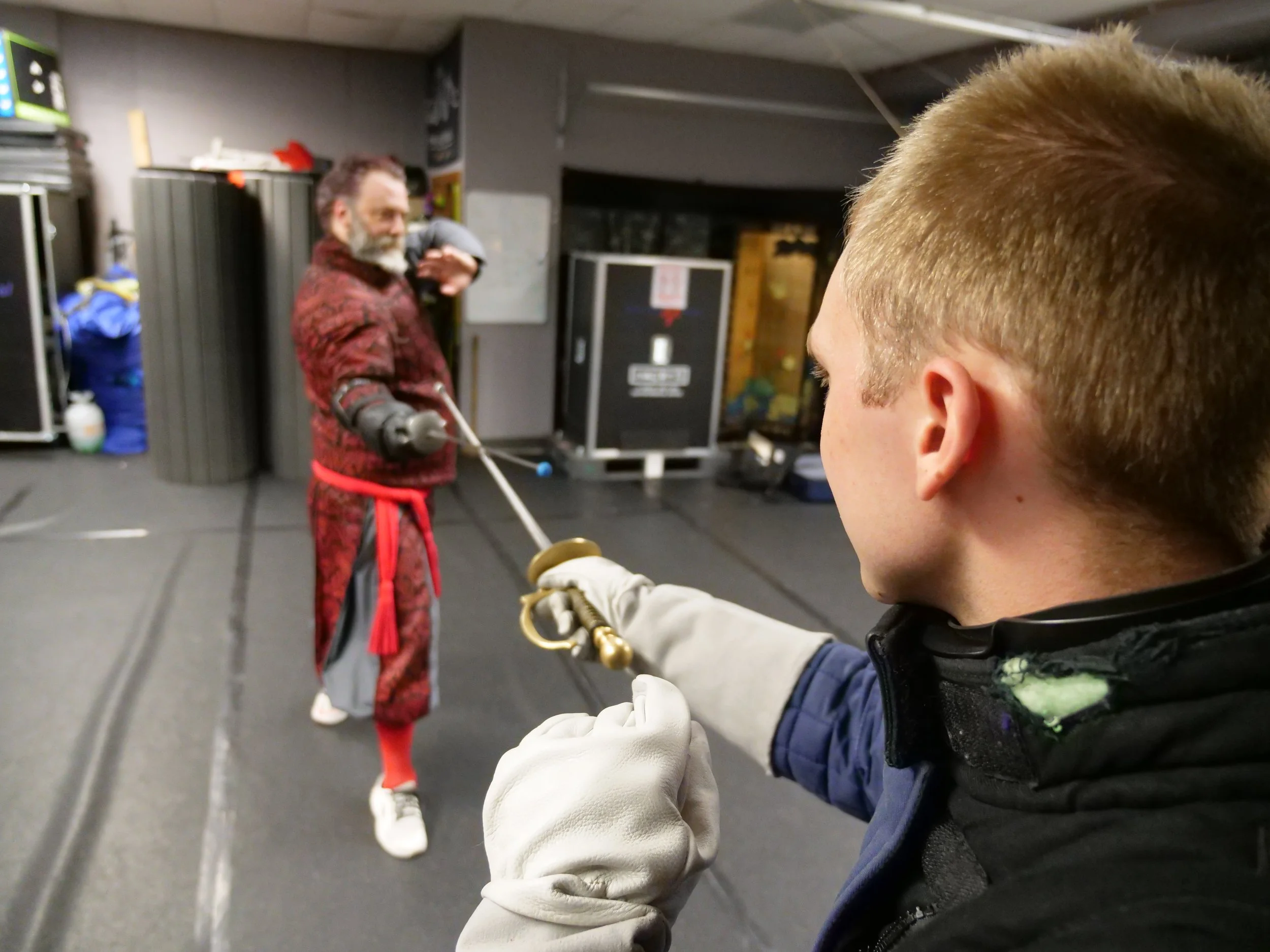
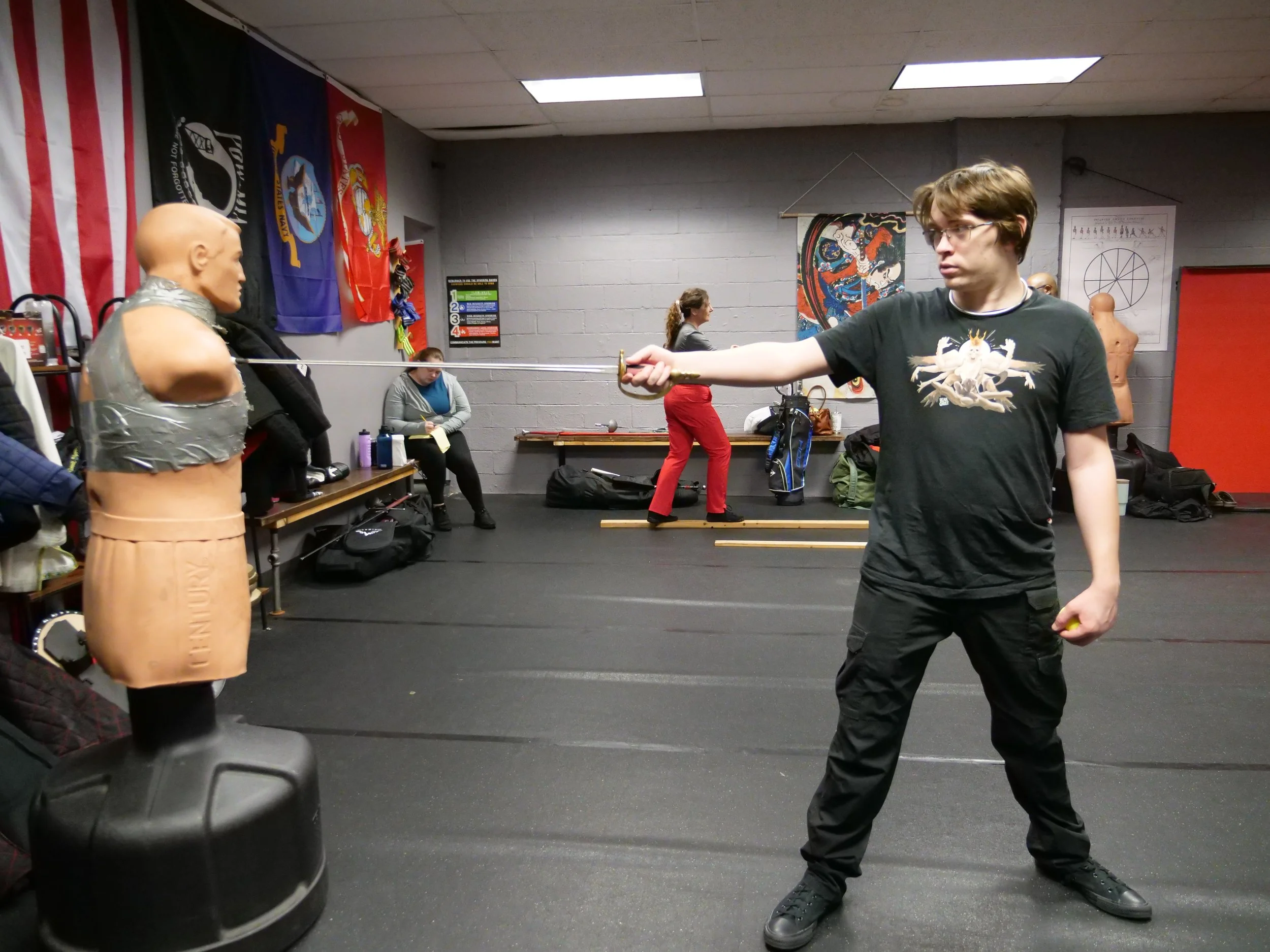
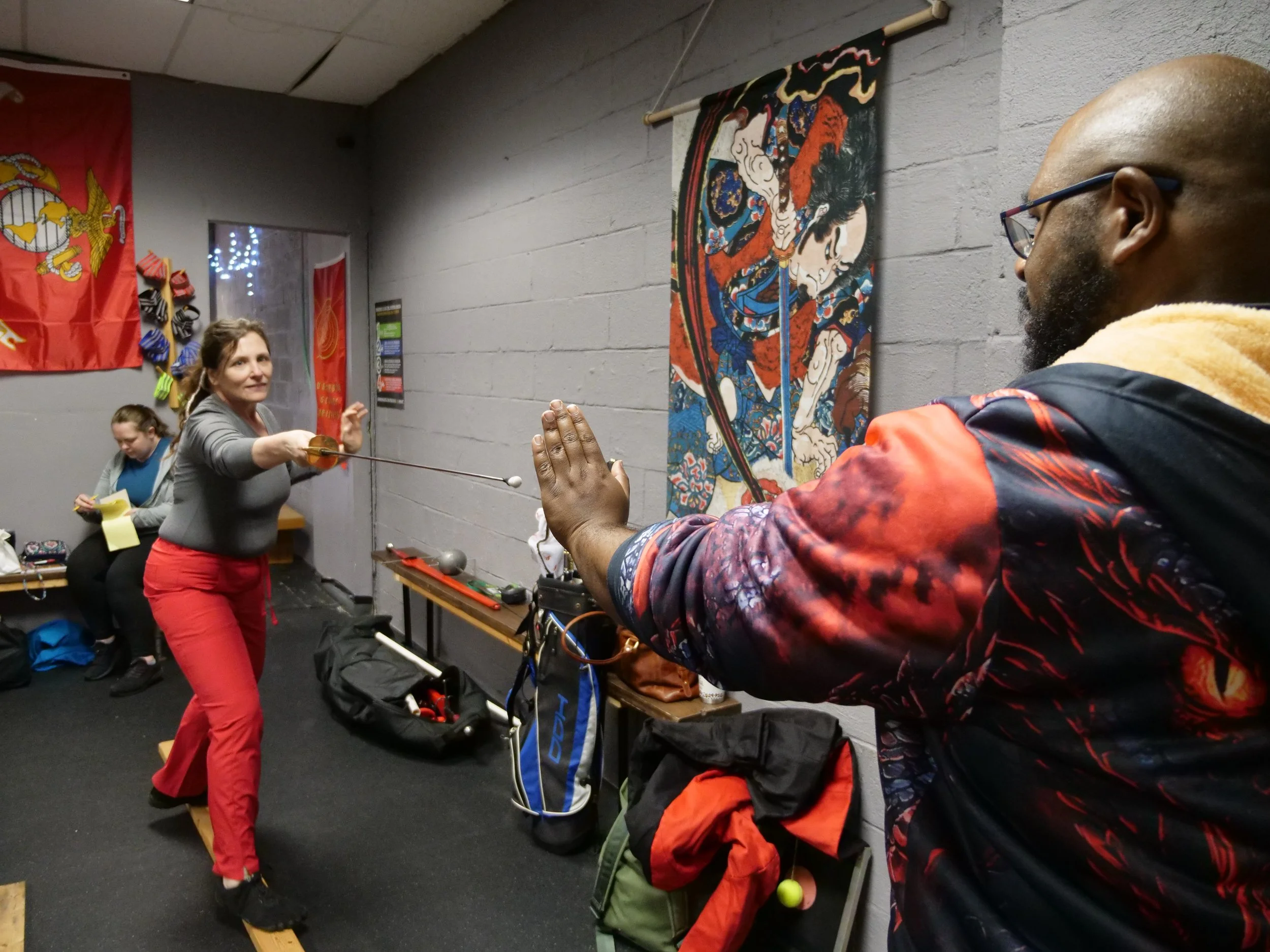
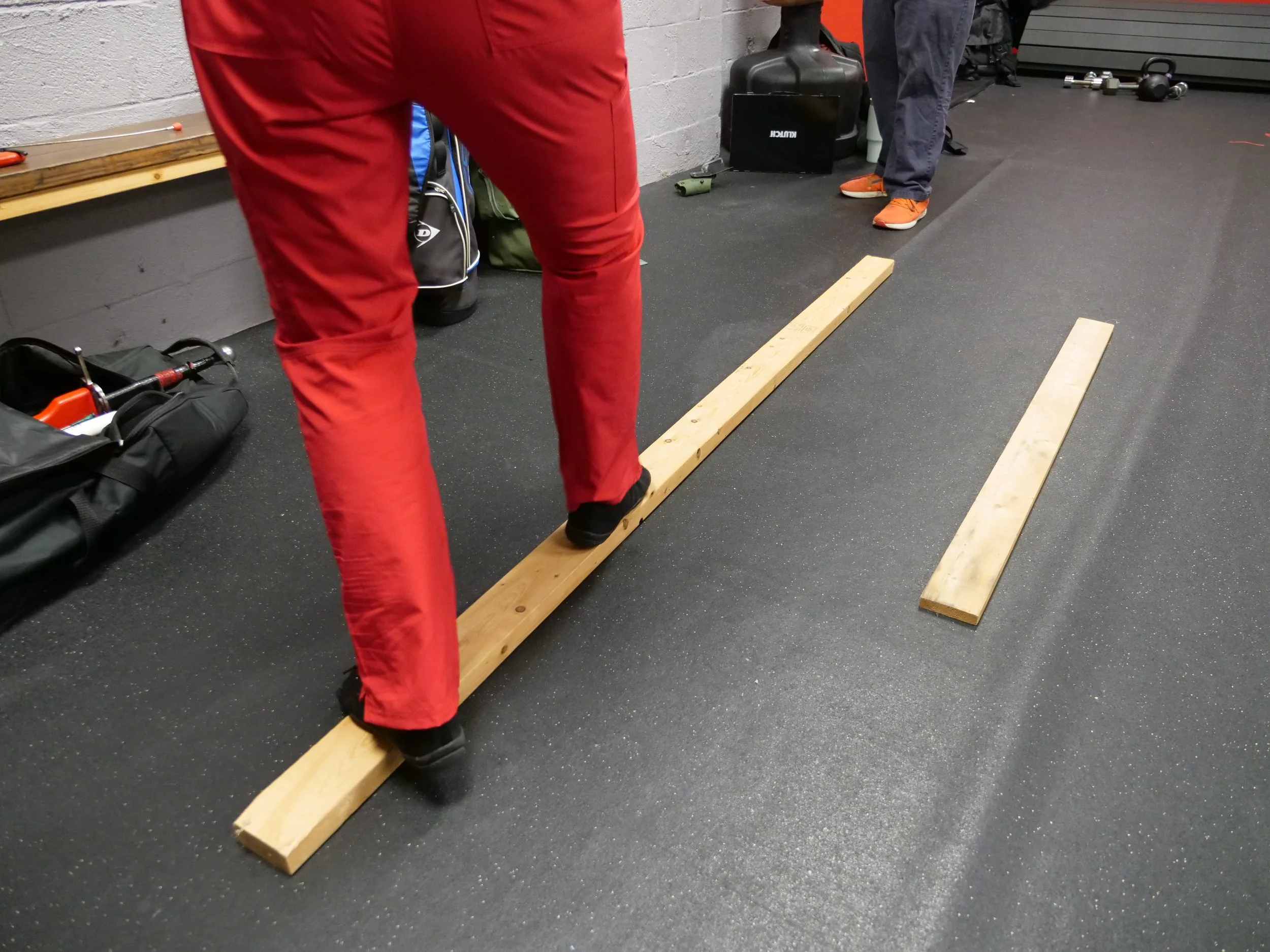
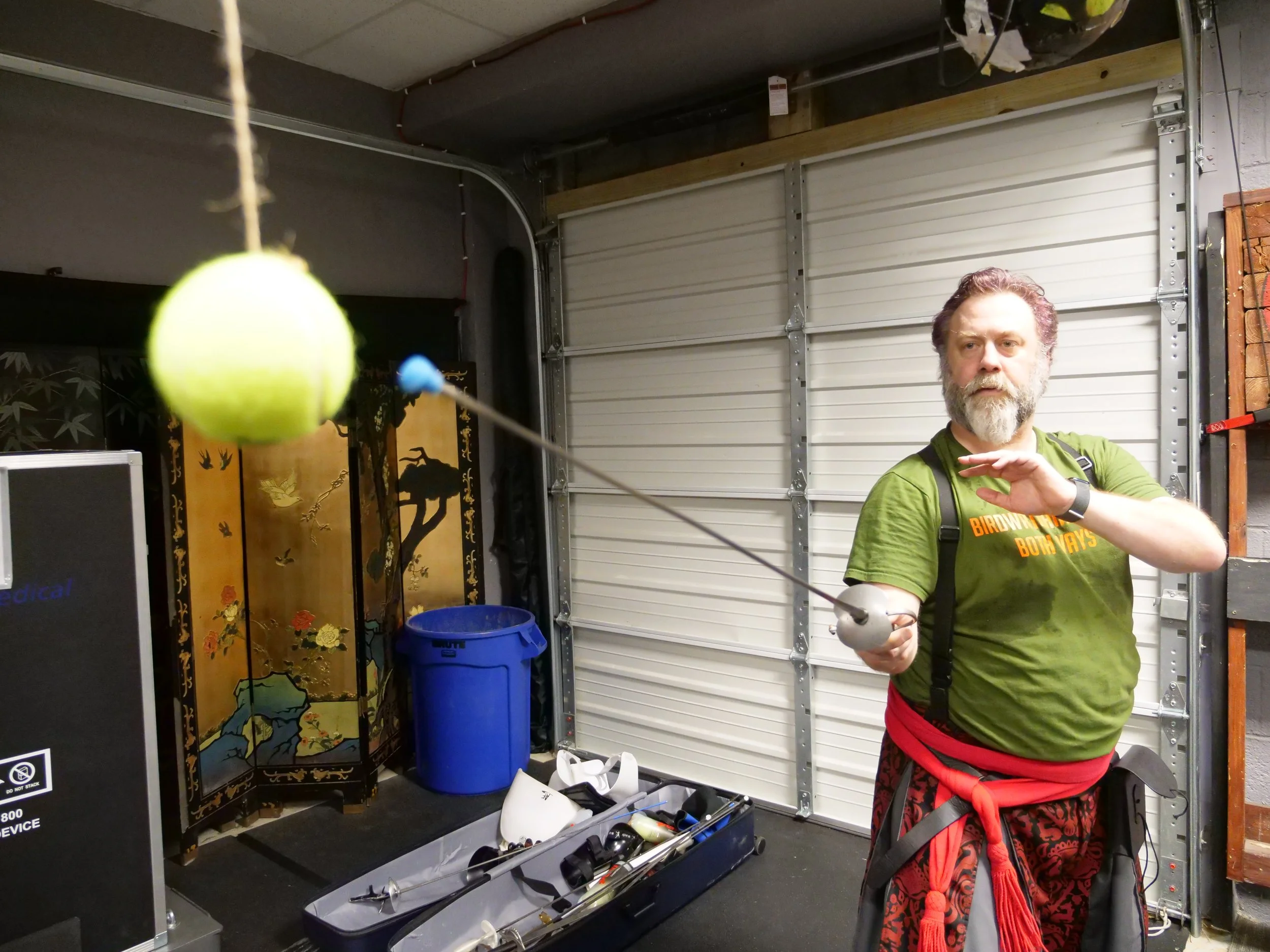
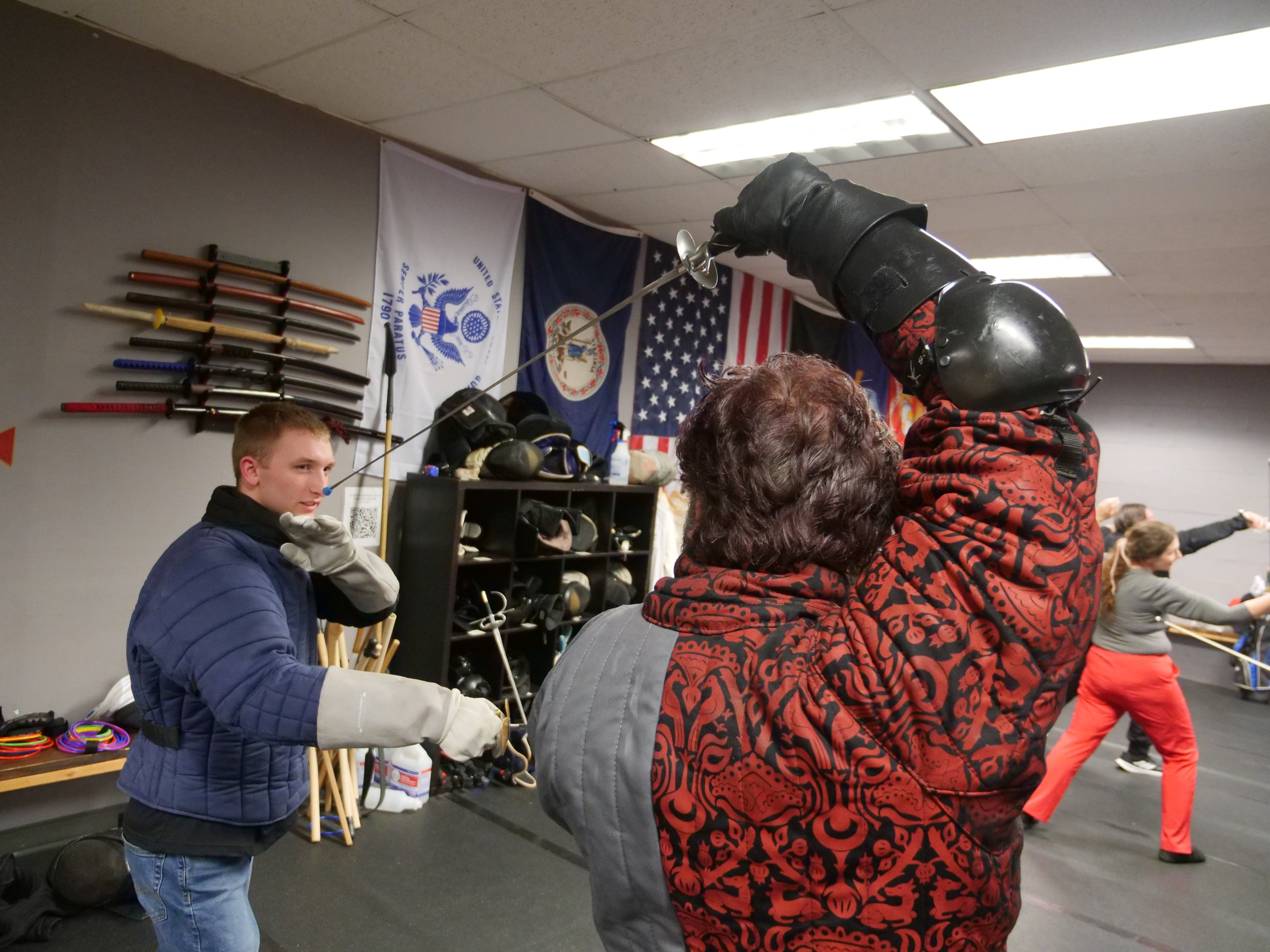
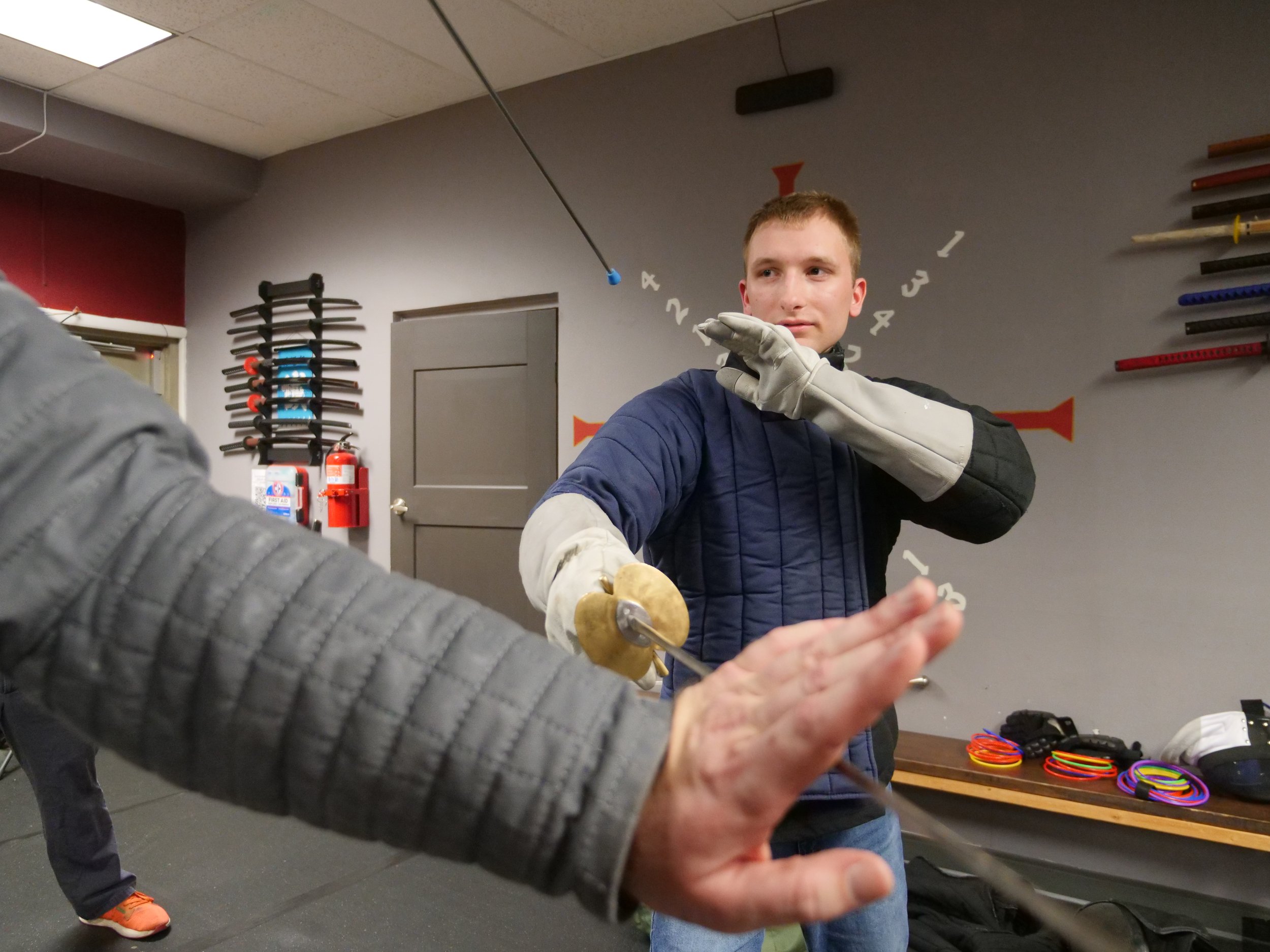
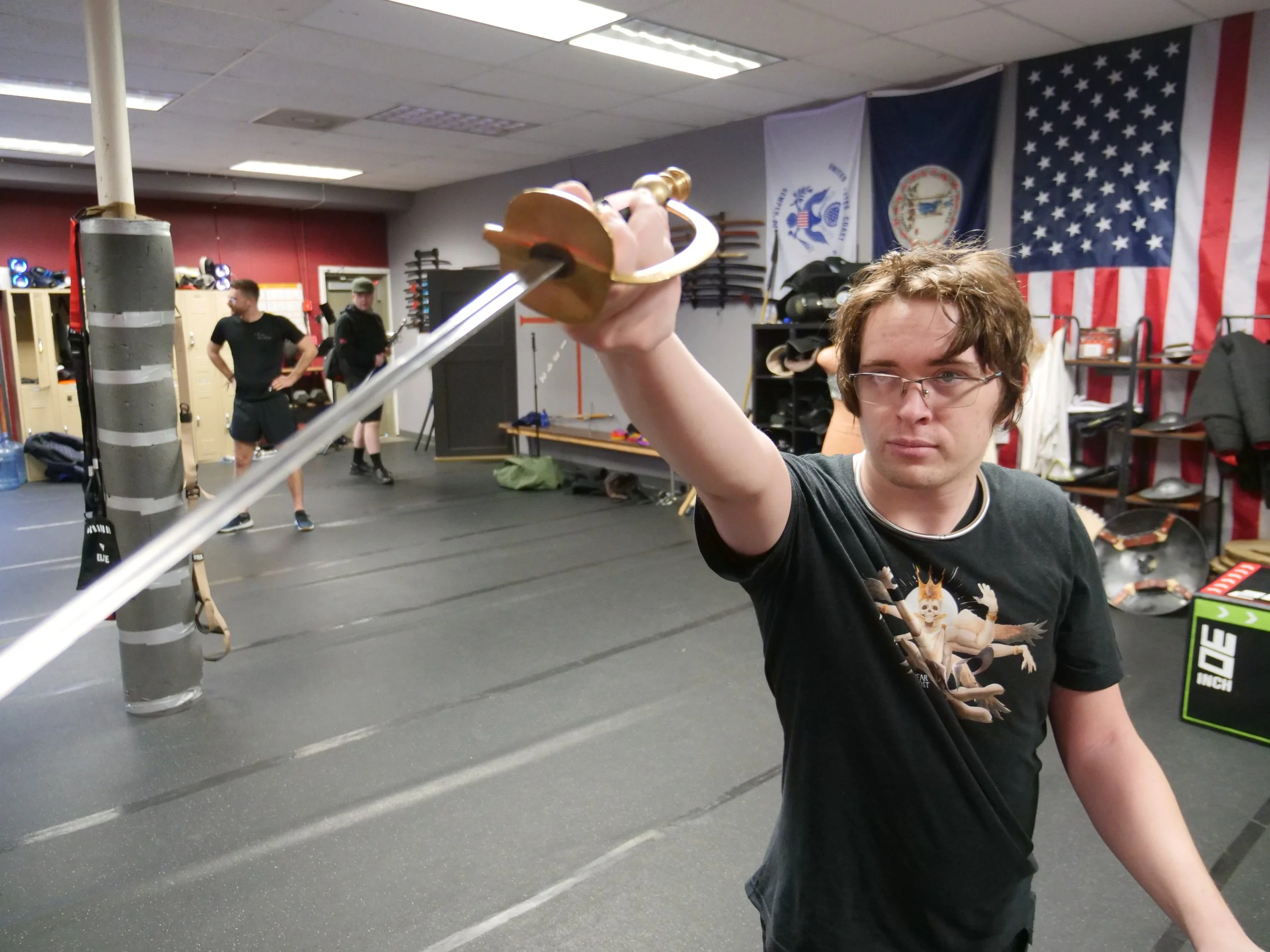
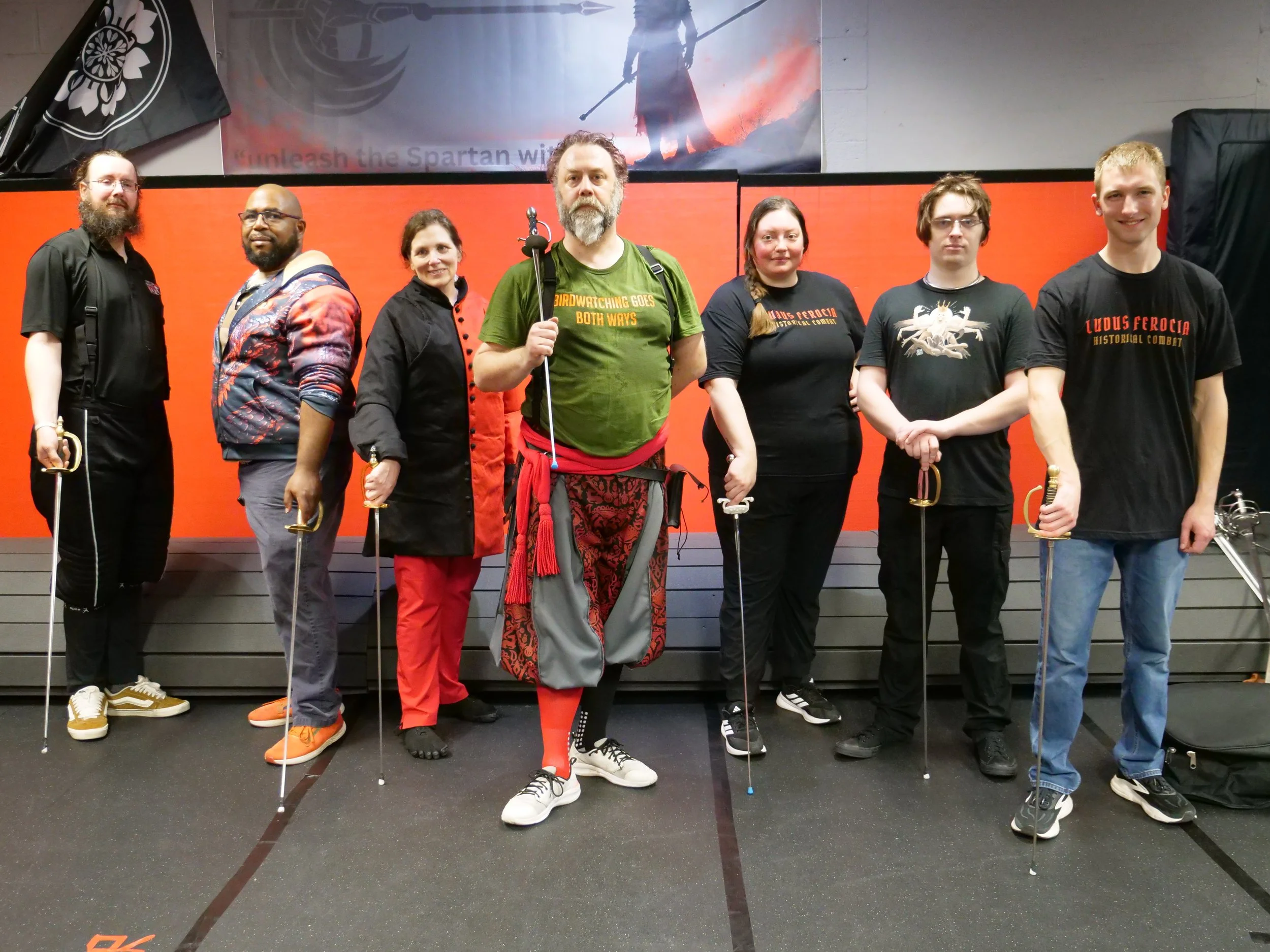
CLASS GALLERY
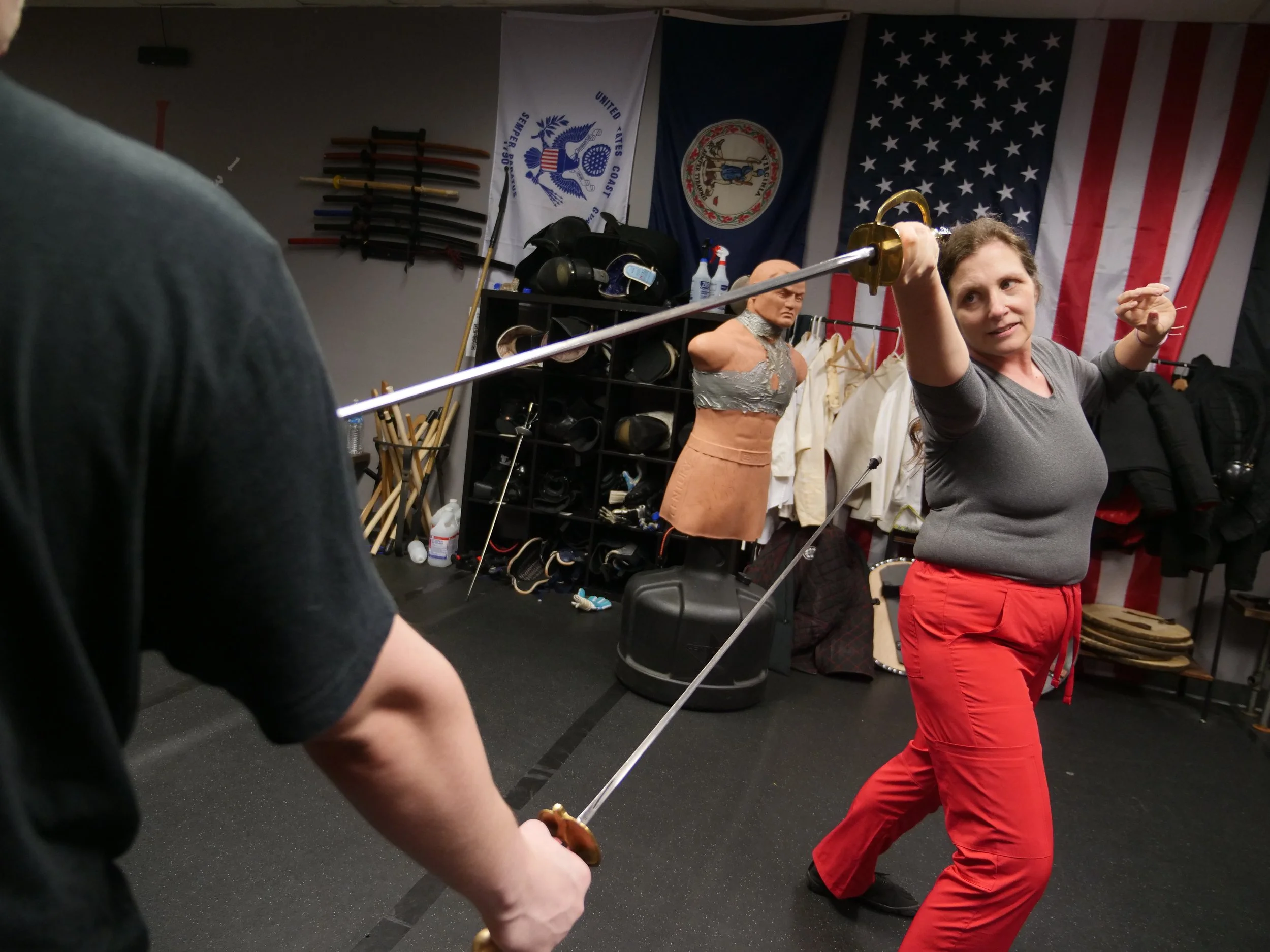
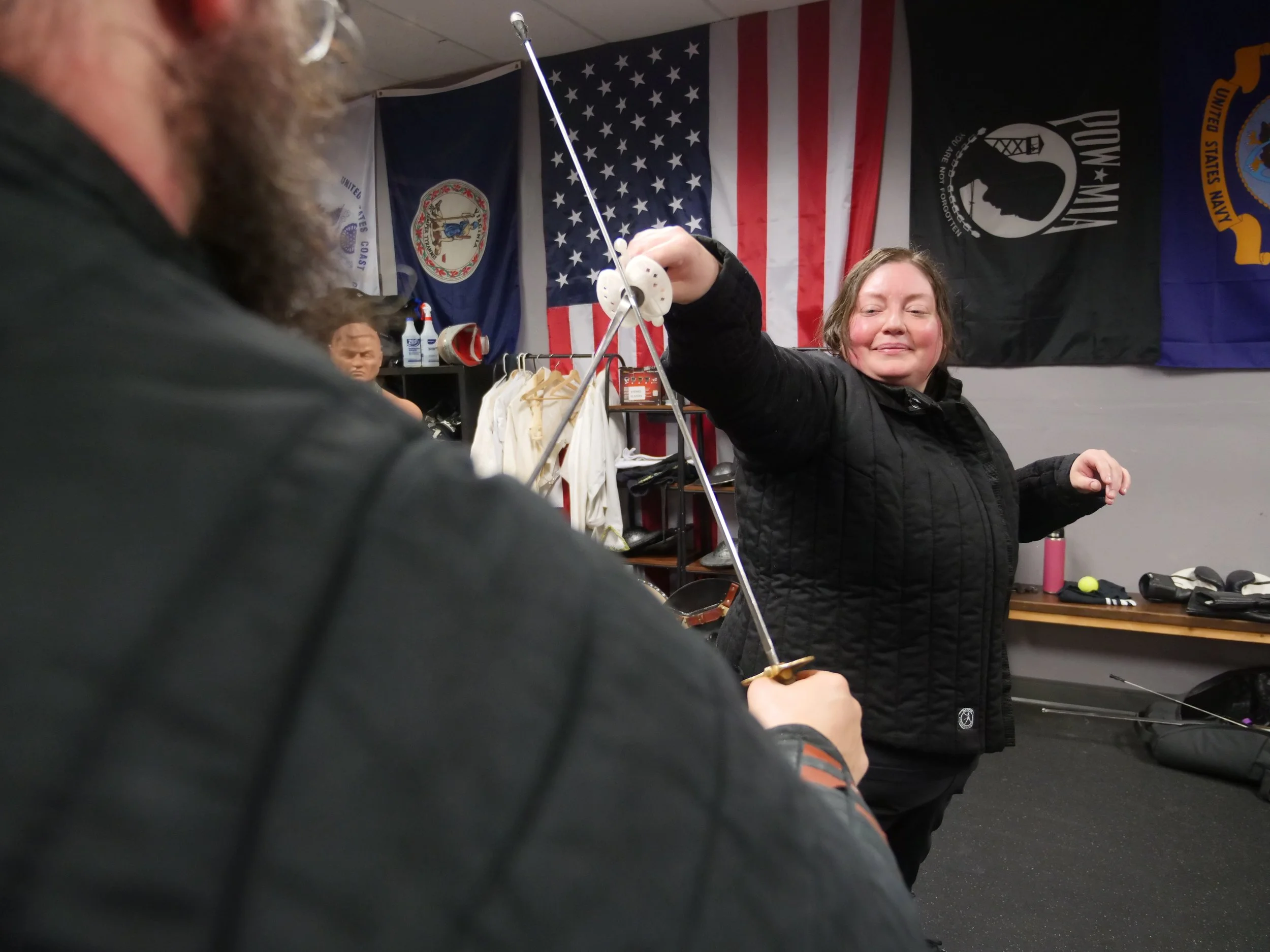
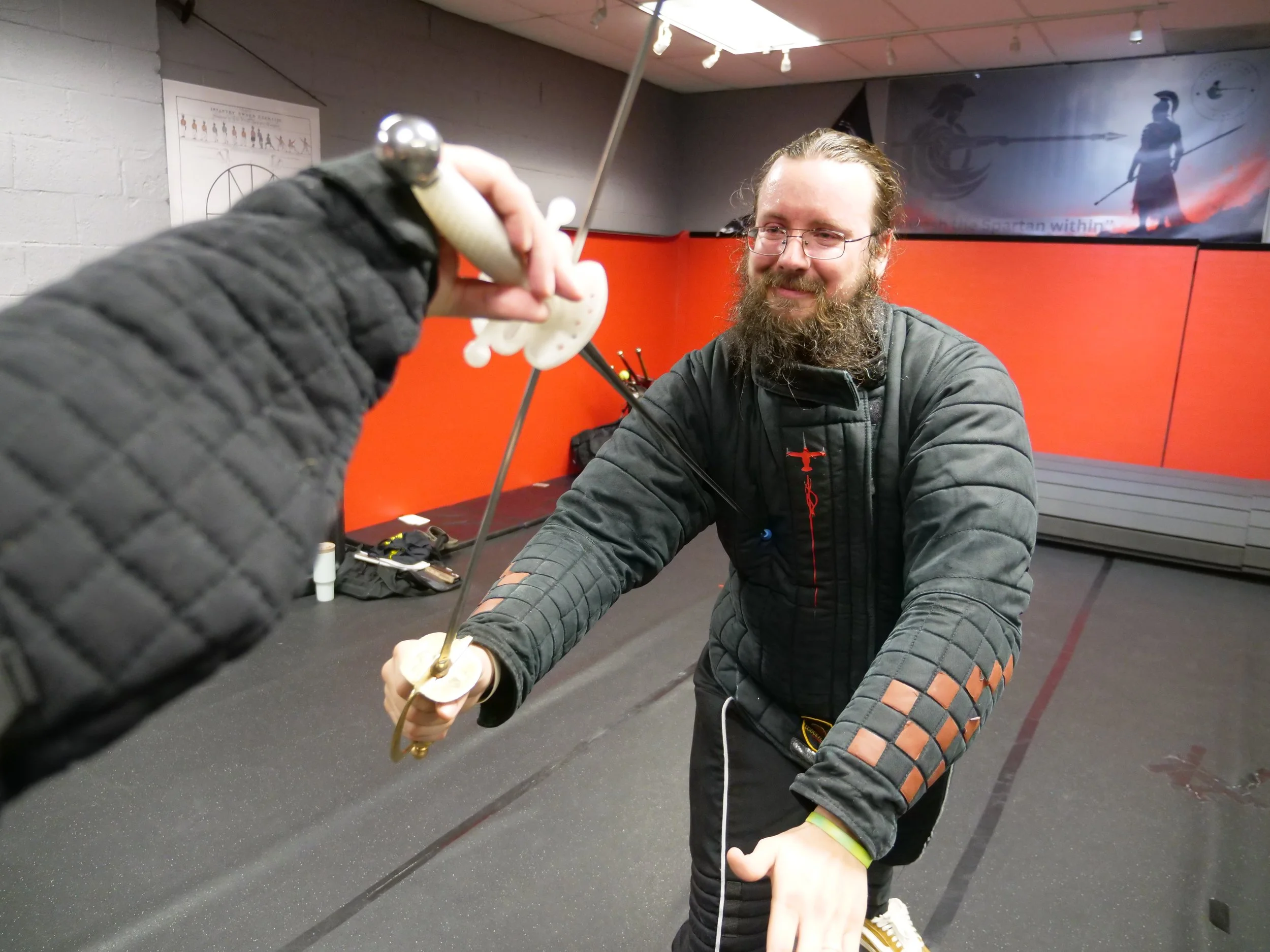
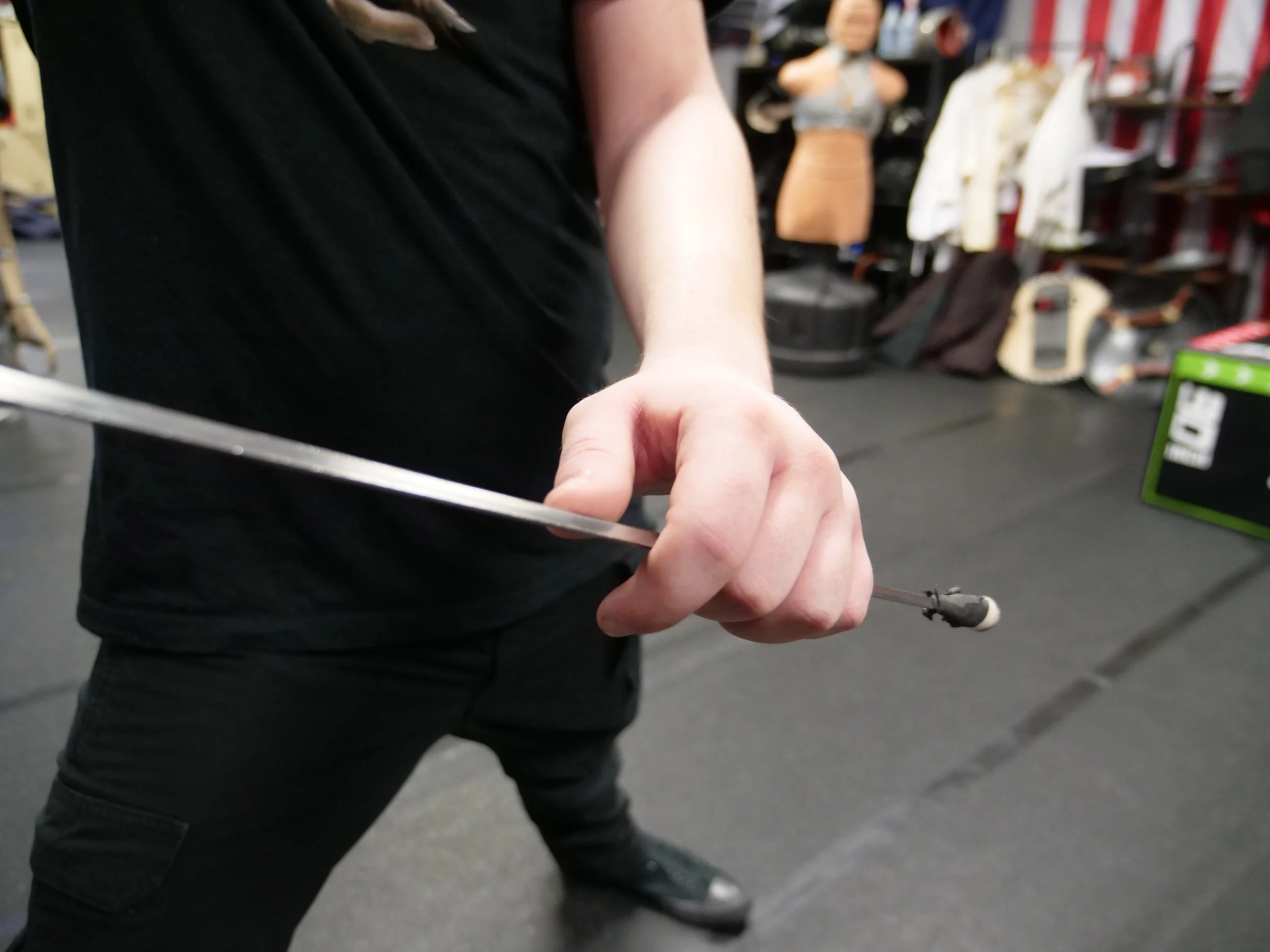
ABOUT THE SMALLSWORD
The smallsword was a civilian dueling weapon that developed out of the rapier in the late 1600s and remained in use through the 18th and early 19th centuries. It was carried daily by civilians across Europe and used in both formal duels and personal defense.
There is no single “standard” smallsword. While many surviving examples use a stiff triangular blade around 30–32 inches, historical pieces vary widely in blade shape, guard design, and construction. The term itself was often used in contrast to larger weapons—rapiers, sabres, broadswords, and military sidearms—rather than as a strict category.
Common variants include:
Colichemarde – wider forte with a narrow foible for stiffness and point control
Transitional rapiers – longer blades bridging rapier and smallsword use
Spadroon and espadin – lighter cut-and-thrust weapons overlapping with smallsword use
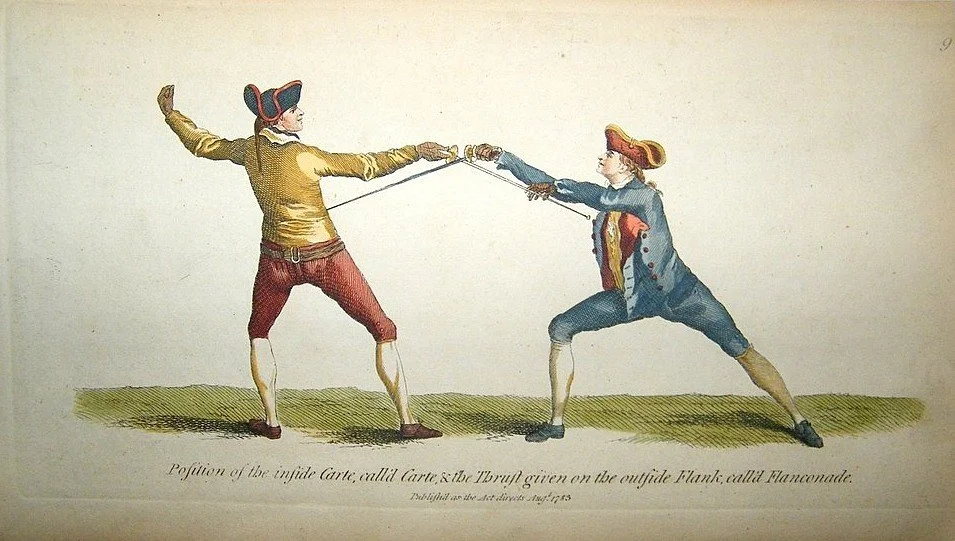
Despite the variation, the method remains consistent: controlled thrusting, efficient movement, and a constant focus on measure and timing. Techniques transfer across these weapons with little adjustment.
COMMON MISCONCEPTIONS
“Smallsword is just Olympic fencing.”
Modern fencing comes from smallsword training, but it represents a later, regulated form. Historical fencing includes actions and risks that are removed in sport.
“All smallswords are identical.”
Surviving examples show wide variation in blade geometry, guard construction, and handling. The modern “triangular blade” model is common, but not universal.
“It was only used for duels.”
Smallswords were worn daily and used in civilian self-defense. Dueling was one context, not the only one.
“It’s a light or easy weapon.”
The weapon is light, but the system demands precision. Timing, distance, and control determine the outcome more than strength.
SMALLSWORD AND MODERN FENCING
Modern Olympic fencing developed out of smallsword training, but the rules reflect specific social expectations from the period.
Foil training was designed for controlled instruction. Target areas were restricted to the torso, reflecting the idea that strikes to the limbs were not considered decisive in a duel of honor. Strikes to the face were avoided due to the social consequences of disfigurement. Right-of-way rules were introduced to discourage reckless exchanges that would result in mutual injury.
As dueling shifted toward “first blood” encounters, training methods adapted. The épée emerged in the 19th century as a more realistic training tool, with a ruleset that allowed hits to any target and removed right-of-way. The épée de combat came later, developed from modified épées rather than preceding them.
Smallsword fencing retains the underlying intent behind these systems without the constraints of sport rules:
No priority rules—both actions must be accounted for
Hits after contact are still relevant
Off-hand use is part of the system
Disarms and blade control are trained directly
Training places emphasis on survival within the exchange, not just landing a touch.
WHAT WE TEACH
Our program is built on the late French system of Antoine Texier la Boëssière (1818), chosen for its structure and accessibility. From there, we incorporate material from earlier and parallel traditions to broaden application.
Additional material is drawn from:
La Touche (French, 1670)
Hope (Scottish, 1707)
Wylde (English, 1711)
Weischner (German, 1764)
de Brea (Spanish, 1805)
de Scalzi (Italian, 1835)
Roux (German, 1857)
At times, entire alternative systems are studied on their own terms—particularly Spanish destreza and German Stoßfechten—to understand how different approaches solve the same problems.
WHY TRAIN SMALLSWORD
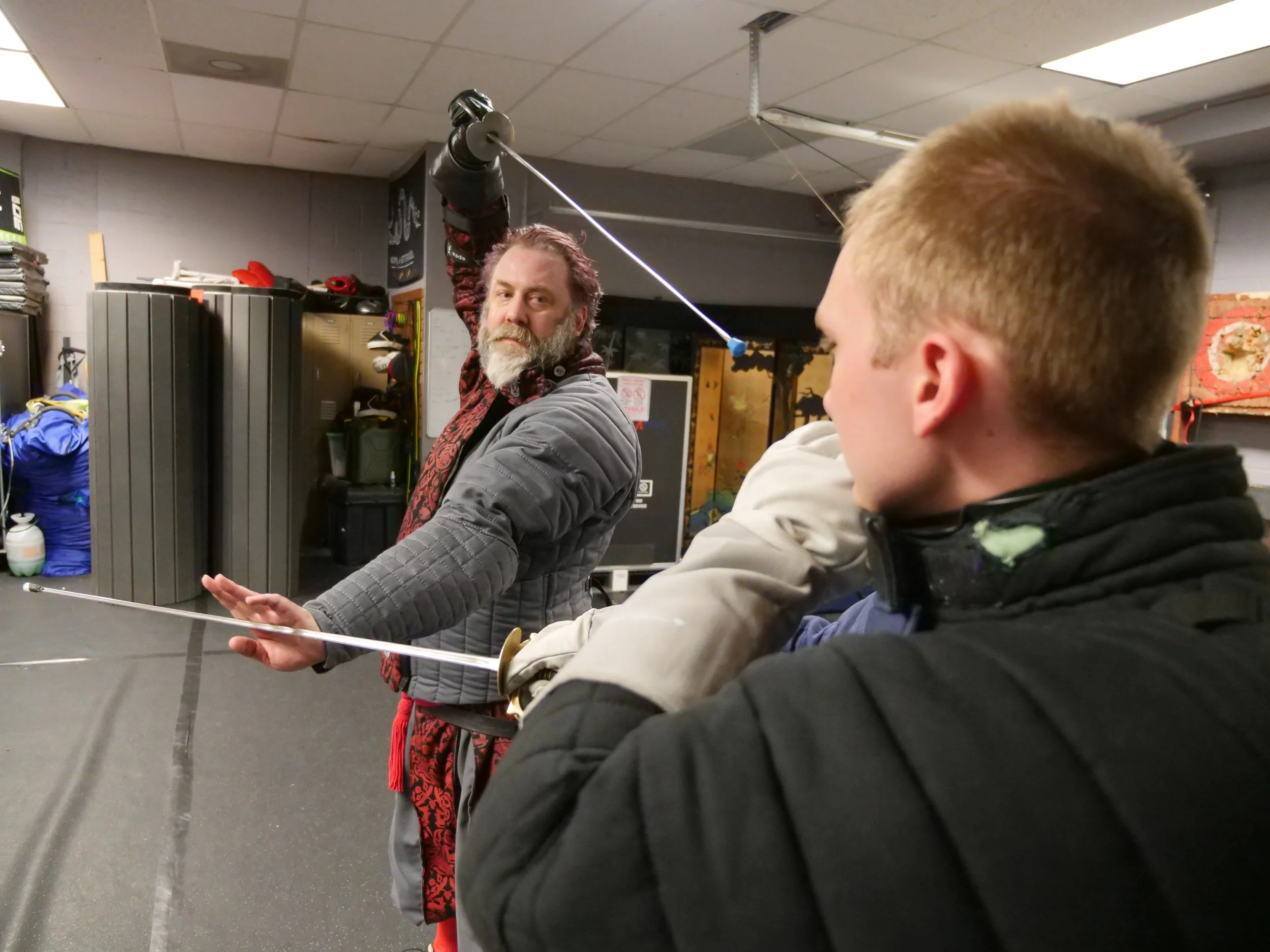
Smallsword removes reliance on power and cutting force. Success depends on reading intent, controlling distance, and committing at the right moment.
It is one of the most technical weapon systems in historical fencing, and one of the most transferable across disciplines.
TRAINING FOCUS
Training centers on:
Point control and accuracy
Measure and timing
Attacks in opposition and defensive structure
Off-hand integration
Managing the exchange beyond the first hit
Students train with historical context in mind, but under modern conditions that allow for pressure testing and adaptation.